
Vercel Launches Eve Open-Source AI Agent Framework for Production Workloads
Vercel released Eve, an open-source, Apache-2.0 licensed framework designed to build, run, and scale AI agents in production. The filesystem-first framework maps each directory on disk to an agent, where individual files represent specific sandboxes, approvals, durable execution flows, and integrations. Developers can initialize projects locally using the command 'npx eve@latest init' and deploy them directly using the standard Vercel command line interface.
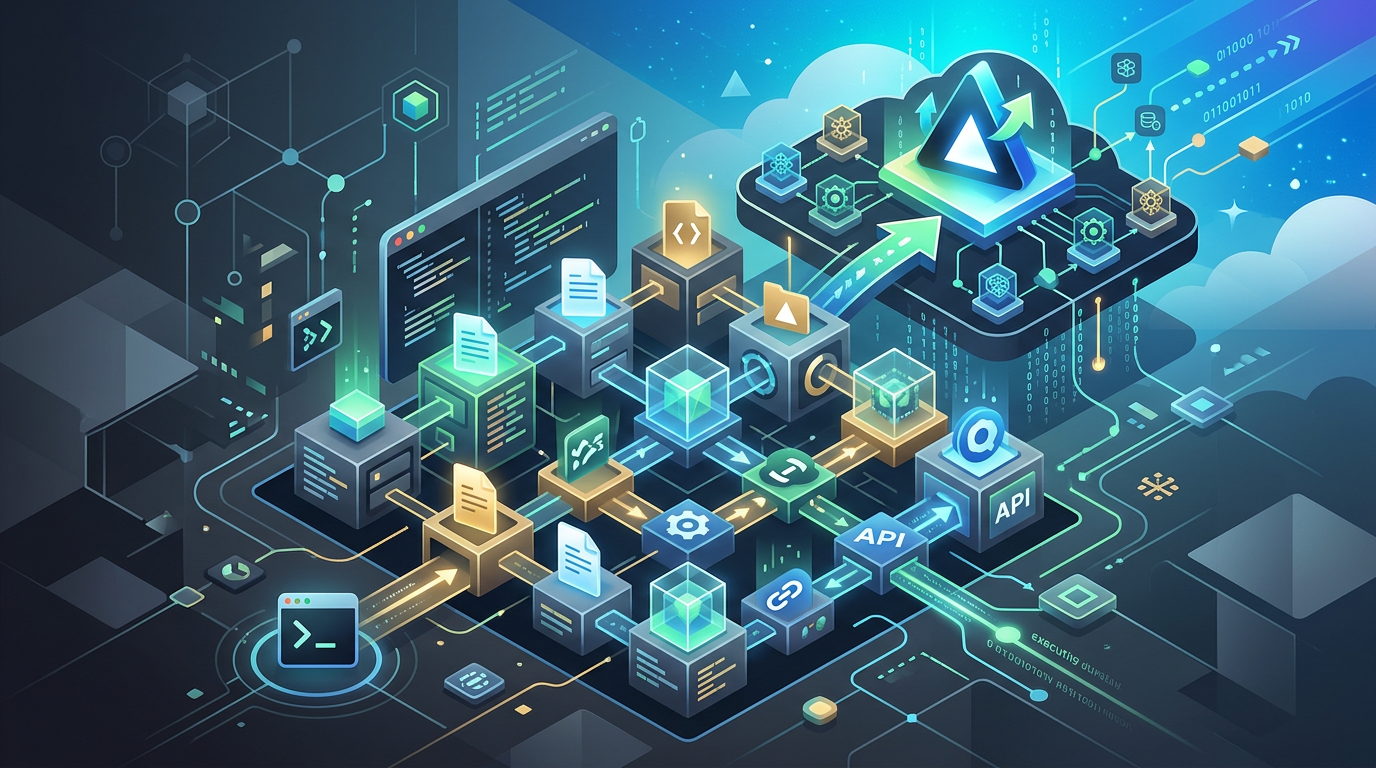
Vercel has launched Eve, an open-source, Apache-2.0 licensed TypeScript framework designed to build, run, and scale AI agents in production. Announced during its Ship London event, the filesystem-first framework maps directories directly to agents, managing durable execution, sandboxed compute, and model routing. Developers can initialize projects locally using the command npx eve@latest init and deploy them via the standard Vercel command line interface.
Mapping AI Agent Capabilities to the Local Filesystem
The core design of the framework treats the local file structure as the primary configuration contract. An agent is defined entirely by the contents of a single directory on disk. When the framework compiles, it scans the directory, validates the files, and generates a manifest.
A minimal, fully functional agent requires only two files in the agent/ folder. The first file, instructions.md, is written in Markdown and acts as the system prompt, setting the identity and behavioral limits of the agent. The second file, agent.ts, is a TypeScript file that specifies the model choice and configures the runtime settings.
To add capabilities like external tools or specialized knowledge, developers place files into designated subdirectories. For example, adding a TypeScript file to the agent/tools/ folder automatically exposes that code as a typed tool for the model. The filename determines the tool name, removing the need for manual configuration or registration boilerplate.
Managing State Persistence, Sandboxes, and Approvals
Running agents in a production environment introduces technical challenges that traditional serverless applications do not face. Standard serverless functions are stateless and shut down after brief periods of inactivity. This model breaks down when an AI agent needs to perform multi-step planning, handle long delays, or wait for human input.
To address this, the framework integrates state persistence to provide durable execution. If a container is recycled, a deployment occurs, or a cold start happens, the running session is preserved and resumes from its exact state. The runtime saves the progressive stream of agent turns, token metrics, and execution history.
Safety and authorization are managed through isolated execution environments and human checkpoints. The framework executes model-generated code inside secure sandboxes, isolating untrusted scripts from the host platform. For critical actions, developers can define human-in-the-loop approvals, forcing the agent to pause until it receives explicit authorization.
Internal Production Testing and the Developer Workflow
Vercel developed the framework to run its own internal AI applications. The company reports running over 100 internal agents on the platform. One internal data analyst agent currently handles approximately 30,000 inquiries each month.
The local setup is designed to prepare projects directly for cloud deployment. Running npx eve@latest init initializes Git, installs dependencies, and runs an interactive local terminal. When a project is ready for production, developers execute vercel deploy using the standard CLI, which shifts the codebase directly to Vercel Functions.
The release coincides with a shift in deployment triggers on the platform. Vercel stated that AI coding agents triggered under 3% of deployments six months prior. Currently, coding agents trigger more than half of all deployments on the Vercel platform.
- #AI Agents

Author
Krishnan
Contributor
Enterprise Technology Explorer is a business and operations professional with over 15 years of experience across multiple industries working with Fortune 500 companies. With a solid foundation in enterprise processes, digital adoption, and technology evaluation, he excels at bridging business needs with emerging technologies to build scalable enterprise-grade applications.